

What are the most significant shipwrecks in history? Often, the ones that cost the most lives. It is often said, “The history of maritime reform is written in blood.” This list appears to confirm that thought.
1. RMS Titanic


4
Year: 1912
Deaths: ~1,500
Summary (≈200 words)
The British passenger liner Titanic, the largest ship in the world at the time, struck an iceberg in the North Atlantic on April 14, 1912, during her maiden voyage from Southampton to New York. Designed as a symbol of modern engineering and luxury, the ship carried more than 2,200 passengers and crew. The iceberg tore open multiple watertight compartments along the starboard hull. Although the ship had watertight bulkheads, they did not extend high enough, allowing water to spill from one compartment to the next.
Within about 2 hours and 40 minutes, the vessel broke apart and sank. Only about 700 people survived, largely because the ship carried lifeboats for roughly half those aboard, a legal but disastrously inadequate number. Confusion, lack of lifeboat drills, and poor communication worsened the disaster.
Significance and Results
The tragedy triggered sweeping maritime reforms. In 1914 the international community adopted the International Convention for the Safety of Life at Sea (SOLAS), mandating sufficient lifeboats for all passengers, continuous radio watch, and the establishment of the International Ice Patrol. Titanic remains the most famous shipwreck in history and continues to be studied as a classic case of technological overconfidence, regulatory gaps, and emergency preparedness failures.
Authoritative sources
- https://www.britannica.com/event/Titanic-disaster
- https://www.history.com/topics/early-20th-century-us/titanic
- https://www.noaa.gov/education/resource-collections/ocean-coasts/titanic
2. RMS Lusitania


4
Year: 1915
Deaths: ~1,198
Summary
On May 7, 1915, the British ocean liner Lusitania was torpedoed by the German submarine U-20 off the coast of Ireland during World War I. The ship was traveling from New York to Liverpool carrying civilians, including 128 Americans. The torpedo explosion was followed by a second internal explosion, possibly involving coal dust or munitions cargo, causing the vessel to sink in only 18 minutes.
The rapid sinking left little time to launch lifeboats effectively. Many boats capsized or smashed against the ship’s side as passengers rushed to escape. Nearly two-thirds of those aboard perished.
Significance and Results
The sinking provoked international outrage and became a powerful propaganda tool against Germany. Although the United States did not enter World War I until 1917, the disaster sharply increased American hostility toward Germany and influenced public opinion about unrestricted submarine warfare.
The incident also raised lasting questions about civilian ships carrying war materials, naval blockades, and the ethics of attacking passenger liners during wartime. Lusitania remains one of the most politically consequential maritime disasters ever.
Sources
- https://www.britannica.com/topic/Lusitania-British-ship
- https://www.history.com/topics/world-war-i/lusitania
- https://www.rte.ie/history/lusitania/
3. MV Wilhelm Gustloff


4
Year: 1945
Deaths: ~9,000
Summary
The German ship Wilhelm Gustloff was torpedoed on January 30, 1945, by the Soviet submarine S-13 in the Baltic Sea during the final months of World War II. Originally built as a Nazi cruise ship, it was being used to evacuate German civilians and military personnel fleeing the advancing Soviet Army from East Prussia.
Overcrowded with refugees—possibly more than 10,000 people—the ship was hit by three torpedoes. The freezing winter conditions meant many passengers died quickly from hypothermia after entering the water. Rescue vessels saved only about 1,200 survivors.
Significance and Results
The sinking of Wilhelm Gustloff is widely regarded as the deadliest maritime disaster in history, far exceeding Titanic in loss of life. However, it remains relatively unknown because it occurred during wartime and involved Nazi Germany.
The event illustrates the devastating risks of evacuations at sea during war and highlights the blurred line between civilian and military targets. Historians still debate the exact passenger count and the military status of the ship at the time of the attack.
Sources
- https://www.britannica.com/topic/Wilhelm-Gustloff
- https://www.nationalww2museum.org/war/articles/wilhelm-gustloff-sinking
- https://www.history.com/news/wilhelm-gustloff-sinking
4. Costa Concordia


4
Year: 2012
Deaths: 32
Summary
The Italian cruise ship Costa Concordia ran aground on rocks near Giglio Island, Italy, on January 13, 2012. The vessel, carrying over 4,200 passengers and crew, had deviated from its planned route in a maneuver known as a “salute,”intended to pass close to the island.
The ship struck submerged rocks that ripped a large gash in the hull. Flooding caused the vessel to lose stability and eventually capsize onto its side near shore. The evacuation was chaotic, with delayed alarms and poor coordination between crew members.
Significance and Results
The disaster exposed major weaknesses in cruise ship safety culture and bridge management. Captain Francesco Schettino was later convicted of manslaughter and abandoning ship.
The accident led to new international cruise safety measures, including stricter emergency drills, improved bridge resource management, and clearer evacuation procedures.
The spectacular salvage operation—raising the 114,000-ton ship upright in a process called parbuckling—became one of the most complex maritime engineering projects ever undertaken.
Sources
- https://www.britannica.com/event/Costa-Concordia-disaster
- https://www.nytimes.com/topic/subject/costa-concordia-cruise-ship
- https://www.theguardian.com/world/costa-concordia
5. MV Sewol


4
Year: 2014
Deaths: 304
Summary
The South Korean ferry Sewol capsized on April 16, 2014, while traveling from Incheon to Jeju Island. Most passengers were high-school students on a field trip. The ferry made a sharp turn that caused unsecured cargo and vehicle decks to shift, leading to catastrophic loss of stability.
Crew members initially instructed passengers to remain in their cabins, a fatal decision that delayed evacuation. As the ship rolled onto its side, many passengers became trapped inside.
Significance and Results
The disaster shocked South Korea and triggered widespread public anger. Investigations revealed serious regulatory failures, including illegal ship modifications, overloading, and inadequate safety enforcement.
The tragedy resulted in criminal prosecutions, sweeping maritime regulatory reforms, and the restructuring of South Korea’s coast guard.
Sewol became a national symbol of government accountability and the consequences of systemic safety failures.
Sources
- https://www.britannica.com/event/Sewol-ferry-disaster
- https://www.bbc.com/news/world-asia-27193398
- https://www.nytimes.com/topic/subject/sewol-ferry-disaster
6. SS Edmund Fitzgerald


4
Year: 1975
Deaths: 29
Summary
The American ore carrier Edmund Fitzgerald sank during a powerful storm on Lake Superior on November 10, 1975. The 729-foot freighter was carrying iron ore pellets when it encountered hurricane-force winds and massive waves.
The ship suddenly disappeared from radar shortly after reporting heavy damage, including flooding and lost radar equipment. No distress signal was received. All 29 crew members died.
Significance and Results
The cause remains debated, with theories including structural failure, deck flooding, and massive rogue waves. The wreck was discovered in 1976 in two pieces on the lake bottom.
The disaster led to new Great Lakes shipping regulations, including improved survival suits, better navigation equipment, and stricter weather reporting.
It also became part of maritime folklore through Gordon Lightfoot’s famous song, keeping public interest in the tragedy alive for decades.
Sources
- https://www.britannica.com/topic/Edmund-Fitzgerald
- https://www.nps.gov/articles/000/ss-edmund-fitzgerald.htm
- https://www.history.com/topics/1970s/edmund-fitzgerald
7. USS Indianapolis


4
Year: 1945
Deaths: ~879
Summary
The U.S. Navy cruiser USS Indianapolis was torpedoed by Japanese submarine I-58 on July 30, 1945, shortly after delivering components of the atomic bomb to Tinian Island. The ship sank in just 12 minutes.
About 900 sailors entered the water without lifeboats. Due to communication failures, the Navy did not realize the ship was missing for four days. Survivors faced dehydration, exposure, and repeated shark attacks.
Significance and Results
Only 316 men survived. The tragedy remains one of the worst naval disasters in U.S. history.
The incident exposed serious problems with naval communication and ship tracking. Decades later, Captain Charles McVay’s controversial court-martial was reconsidered, and he was posthumously exonerated.
The wreck was discovered in 2017 at a depth of 18,000 feet in the Philippine Sea.
Sources
- https://www.history.com/topics/world-war-ii/uss-indianapolis
- https://www.britannica.com/topic/USS-Indianapolis
- https://www.navalhistory.navy.mil/research/histories/ship-histories/danfs/i/indianapolis-v.html
8. MV Doña Paz



4
Year: 1987
Deaths: ~4,300
Summary
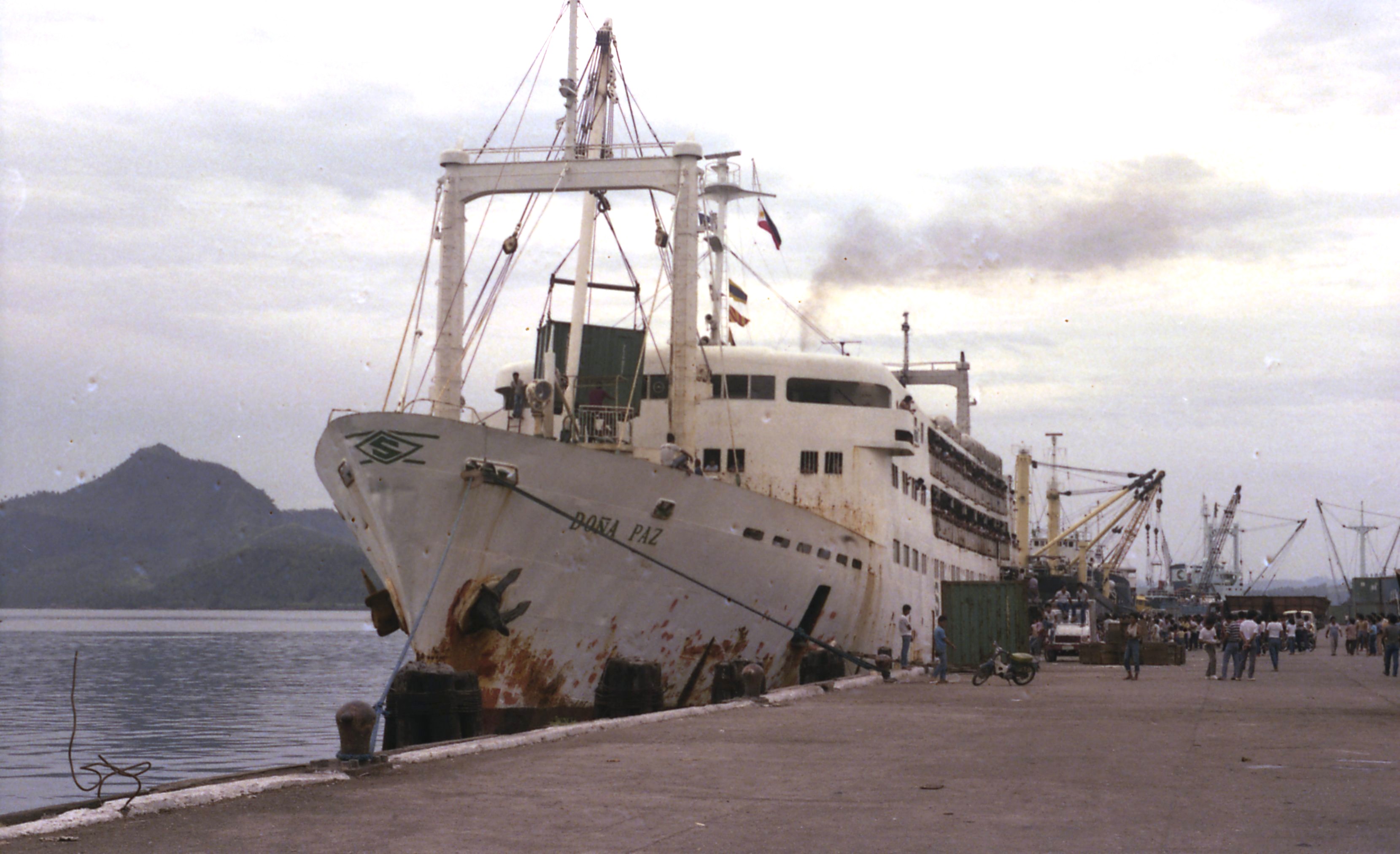
The Philippine ferry Doña Paz collided with the oil tanker MT Vector on December 20, 1987, in the Tablas Strait. The ferry was severely overcrowded, carrying far more passengers than officially recorded.
The tanker’s cargo of gasoline ignited after the collision, creating a massive fire that engulfed both ships. Many passengers were trapped below decks as flames spread rapidly.
Significance and Results
The disaster killed more than 4,000 people, making it the deadliest peacetime maritime disaster in history.
Investigations revealed that safety regulations were widely ignored, including severe overcrowding and inadequate crew training.
The tragedy exposed systemic safety failures in the Philippine ferry system and led to calls for stronger maritime oversight.
Sources
- https://www.britannica.com/event/Dona-Paz-disaster
- https://www.history.com/this-day-in-history/dona-paz-ferry-disaster
- https://www.nytimes.com/1987/12/22/world/ferry-disaster-philippines.html
9. SS Sultana



4
Year: 1865
Deaths: ~1,800
Summary
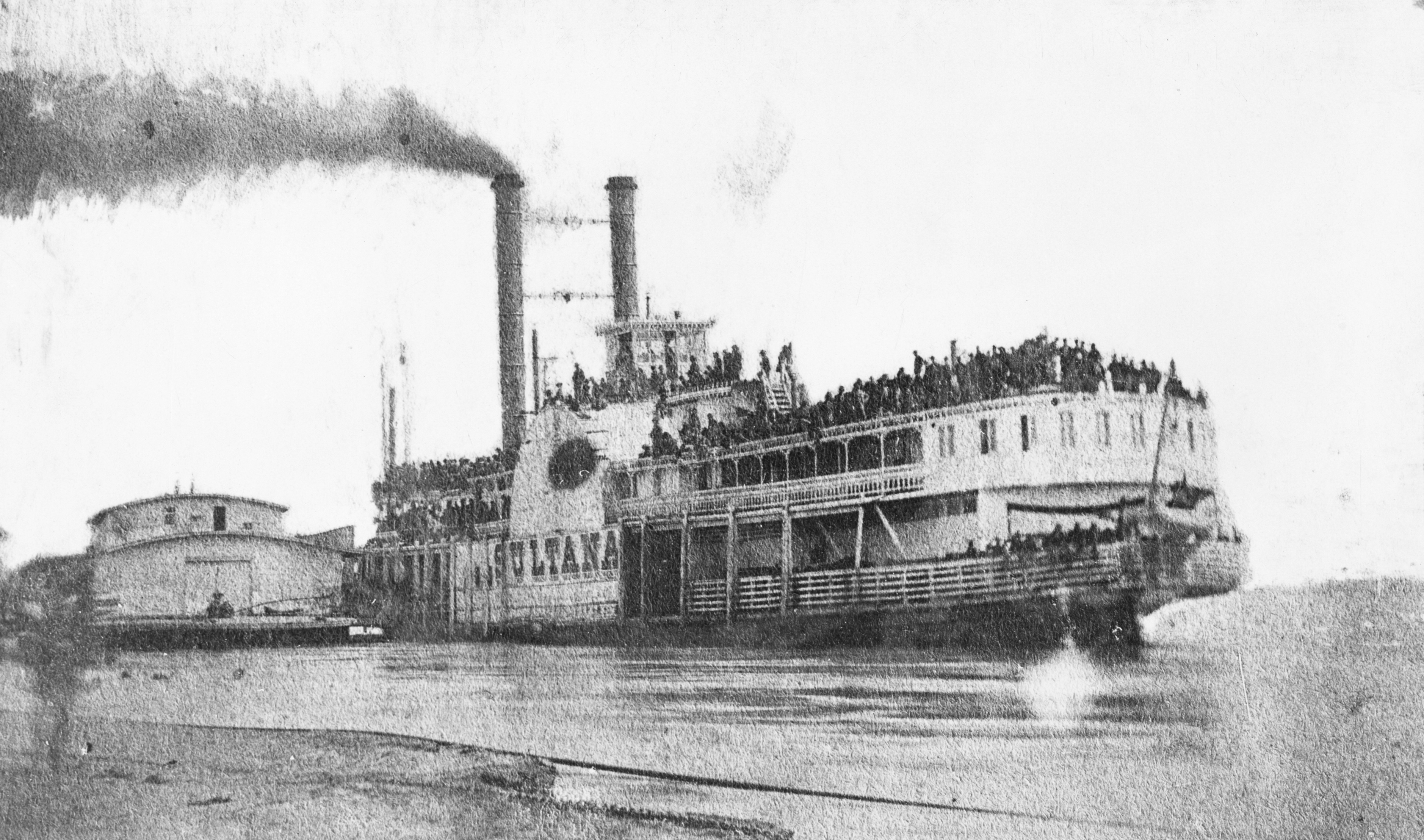
The steamboat Sultana exploded on the Mississippi River on April 27, 1865, while carrying Union soldiers recently released from Confederate prison camps. The ship was designed for about 376 passengers but carried more than 2,000.
Three of the ship’s boilers exploded near Memphis, Tennessee. Many passengers were killed instantly or trapped as the burning vessel drifted downstream.
Significance and Results
The disaster remains the worst maritime disaster in U.S. history, yet it received little attention at the time because it occurred just days after President Abraham Lincoln’s assassination.
Investigations suggested that poorly maintained boilers and corruption in government transport contracts contributed to the catastrophe.
The Sultana disaster became a landmark case illustrating the dangers of overloading and mechanical neglect in river transportation.
Sources
- https://www.britannica.com/event/Sultana-steamboat-disaster
- https://www.history.com/news/sultana-steamboat-disaster
- https://sultanadisastermuseum.com
10. MS Herald of Free Enterprise


4
Year: 1987
Deaths: 193
Summary
The British ferry Herald of Free Enterprise capsized shortly after leaving the Belgian port of Zeebrugge on March 6, 1987. The roll-on/roll-off ferry departed with its bow doors open, allowing seawater to flood the car deck.
Within minutes, the ship lost stability and rolled onto its side in shallow water. Passengers and crew were trapped inside as freezing water flooded the decks.
Significance and Results
The disaster exposed serious safety culture problems in ferry operations. Investigators concluded that the tragedy resulted from systemic negligence, not a single mistake.
The official inquiry described the company as suffering from a “disease of sloppiness.”
The accident led to major changes in ferry safety worldwide, including:
- mandatory door indicators on bridges
- improved stability standards
- better evacuation procedures
It remains one of the most important modern case studies of human error and corporate safety failure in maritime operations.
Sources
- https://www.britannica.com/event/Herald-of-Free-Enterprise-disaster
- https://www.gov.uk/maib-reports/herald-of-free-enterprise
- https://www.bbc.com/news/uk-england-kent-39167959
Key Takeaways
- The article lists the most significant shipwrecks in history, highlighting events that caused massive loss of life.
- Key examples include the RMS Titanic, which sank in 1912, resulting in ~1,500 deaths and prompting major maritime reforms.
- Another tragic event, the MV Wilhelm Gustloff, had ~9,000 casualties in 1945, marking it as the deadliest maritime disaster ever.
- The Costa Concordia disaster in 2012 and the Sewol ferry capsizing in 2014 focused on safety failures and regulatory issues.
- Overall, these maritime tragedies illustrate the critical need for improved safety measures and regulations in sea travel.
Estimated reading time: 14 minutes