
 Posted by
 Key Takeaways
- The MV Doña Paz collision in 1987 resulted in over 4,000 deaths, marking it the deadliest peacetime maritime disaster.
- The MS Estonia sank in 1994 after severe weather damaged its bow, leading to the deaths of 852 individuals.
- The MV Sewol capsized in 2014, killing 304, mainly high-school students, due to improper modifications and unsecured cargo.
- Le Joola capsized in 2002 during a storm, resulting in about 1,863 casualties from severe overcrowding.
- These ferry disasters highlight critical issues in maritime safety and led to significant regulatory reforms.
Estimated reading time: 11 minutes
MV Doña Paz (1987)
The Ship

4
Caption:
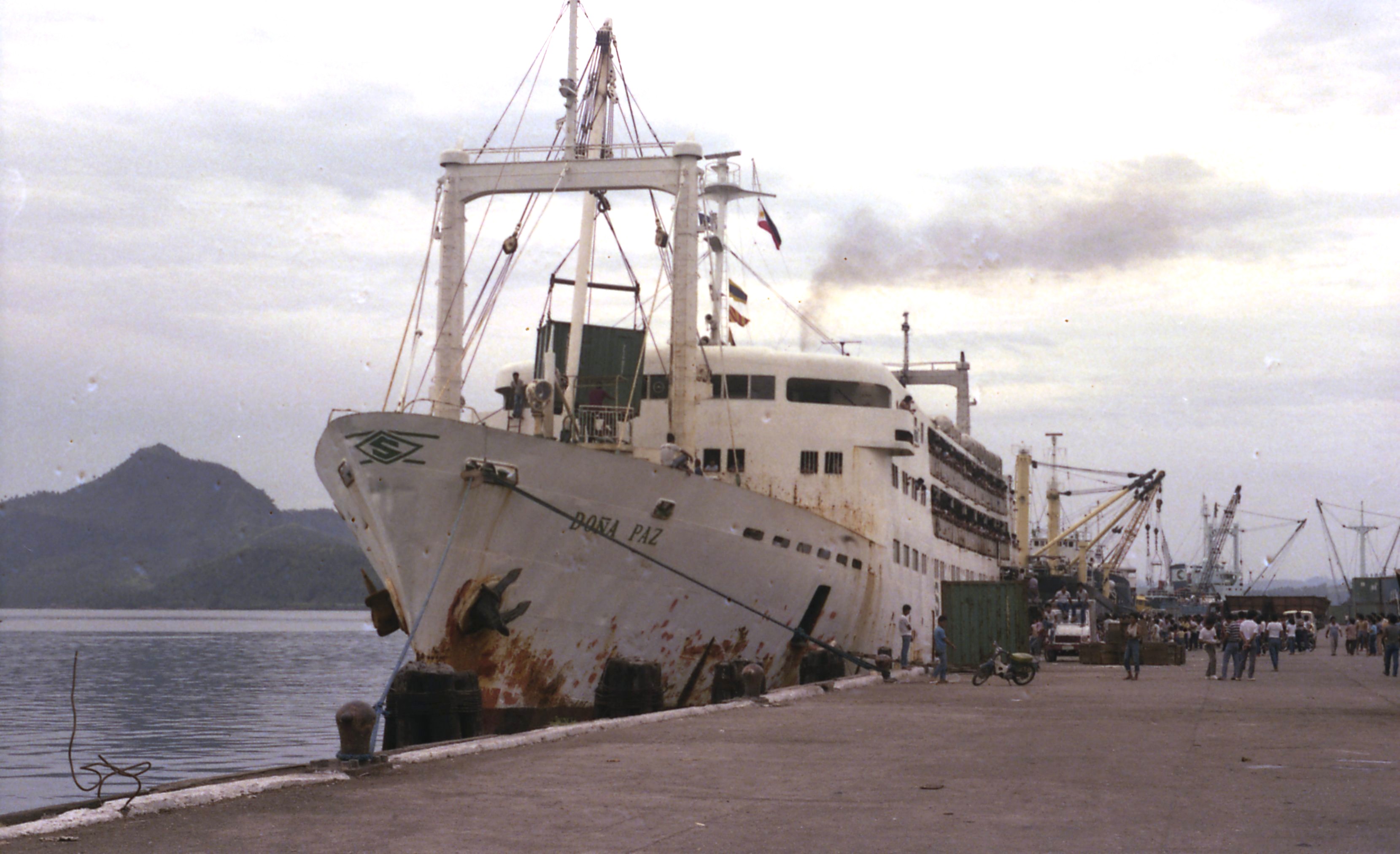
The Philippine ferry Doña Paz, which collided with the tanker Vector in December 1987.
The ferry Doña Paz operated as an inter-island passenger vessel in the Philippines. Built in Japan and later transferred to Philippine service, the ship regularly carried travelers between Manila and ports in the central Philippines.
On December 20, 1987, the ferry was traveling through the Tablas Strait when it collided with the oil tanker Vector. The impact ruptured the tanker’s cargo of gasoline and petroleum products, triggering a massive fire that quickly spread across the water and engulfed both vessels.
Location Map


4
Caption:
Location of the Doña Paz disaster in the Tablas Strait between Mindoro and Masbate in the central Philippines.
The disaster occurred in the Tablas Strait, a busy shipping corridor between the islands of Mindoro and Masbate. The strait is frequently used by ferries transporting passengers between Manila and the central Philippine islands.
The collision occurred at night, and the sudden fire left passengers with little opportunity to escape. Many were trapped by flames or forced into burning waters surrounding the ship.
Aftermath / Memorial


4
Caption:
Memorial honoring the victims of the Doña Paz disaster, the deadliest peacetime maritime tragedy in history.
Only a small number of passengers survived the catastrophe. Estimates suggest that more than 4,000 people died, making the disaster the worst peacetime maritime loss ever recorded.
The tragedy exposed serious problems in passenger accounting, ferry safety regulation, and emergency preparedness in the Philippine ferry system. Investigations revealed that the ferry was likely carrying far more passengers than officially listed on the manifest.
Today, memorials and commemorations honor the thousands of lives lost in one of the most devastating ferry disasters in maritime history.
MS Estonia (1994)
The Ship


4
Caption:
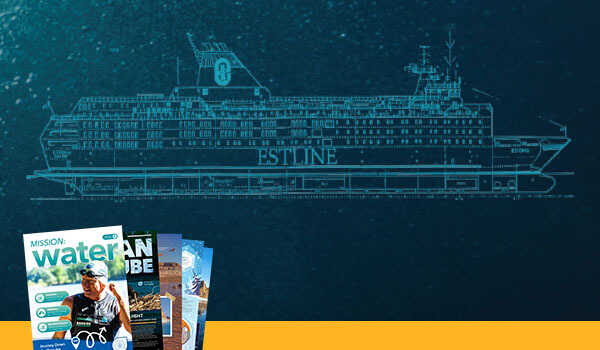
The passenger ferry MS Estonia, which sank in the Baltic Sea in September 1994.
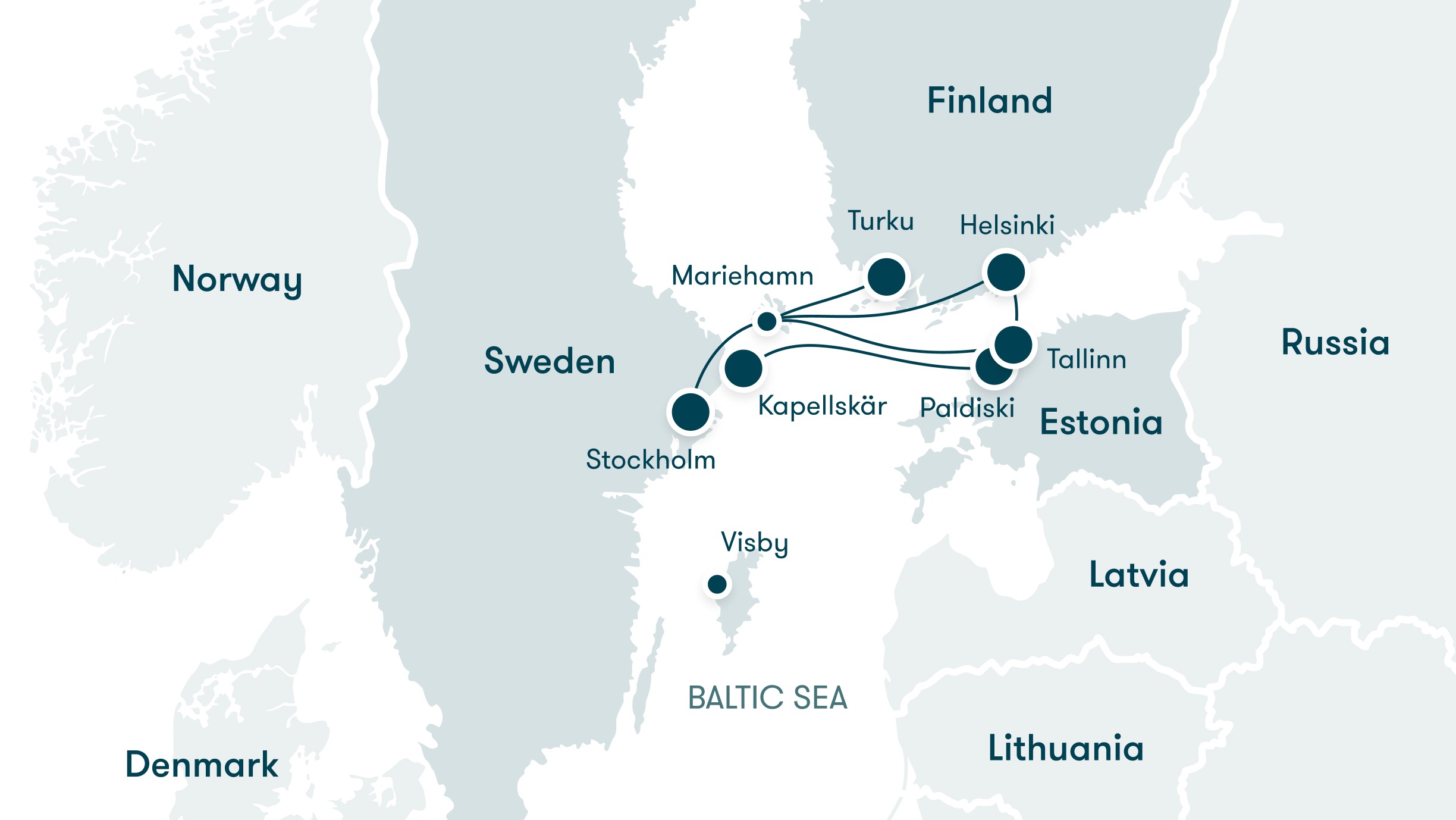
The roll-on/roll-off ferry MS Estonia disaster was traveling between Tallinn, Estonia, and Stockholm, Sweden when it encountered severe weather in the Baltic Sea on September 28, 1994.
Heavy waves damaged the ferry’s bow visor, allowing seawater to flood the vehicle deck.
Image 2 — Location Map


4
Caption:
Location of the MS Estonia disaster in the Baltic Sea between Estonia and Sweden.
Water flooding the vehicle deck quickly destabilized the ship. Because roll-on/roll-off ferries have large open decks for vehicles, even small amounts of water can cause a catastrophic loss of stability.
Memorial / Aftermath


4
Caption:
Memorial honoring the victims of the Estonia ferry disaster.
The ferry sank within about an hour. Of the 989 passengers and crew on board, 852 people died, making it one of Europe’s worst modern maritime disasters and prompting major reforms in ferry safety standards.
MV Sewol (2014)
The Ship


4
Caption:
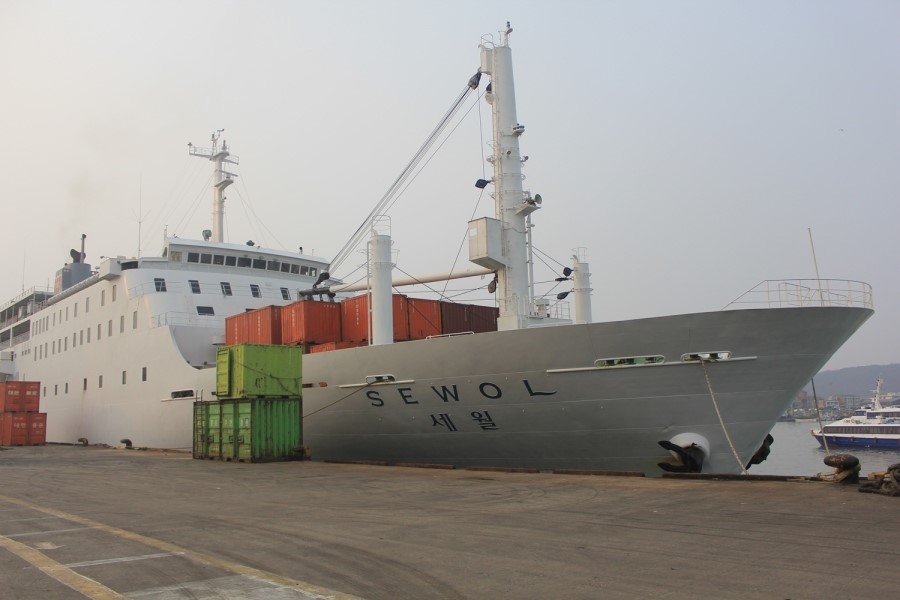
The South Korean passenger ferry Sewol, which capsized in April 2014.
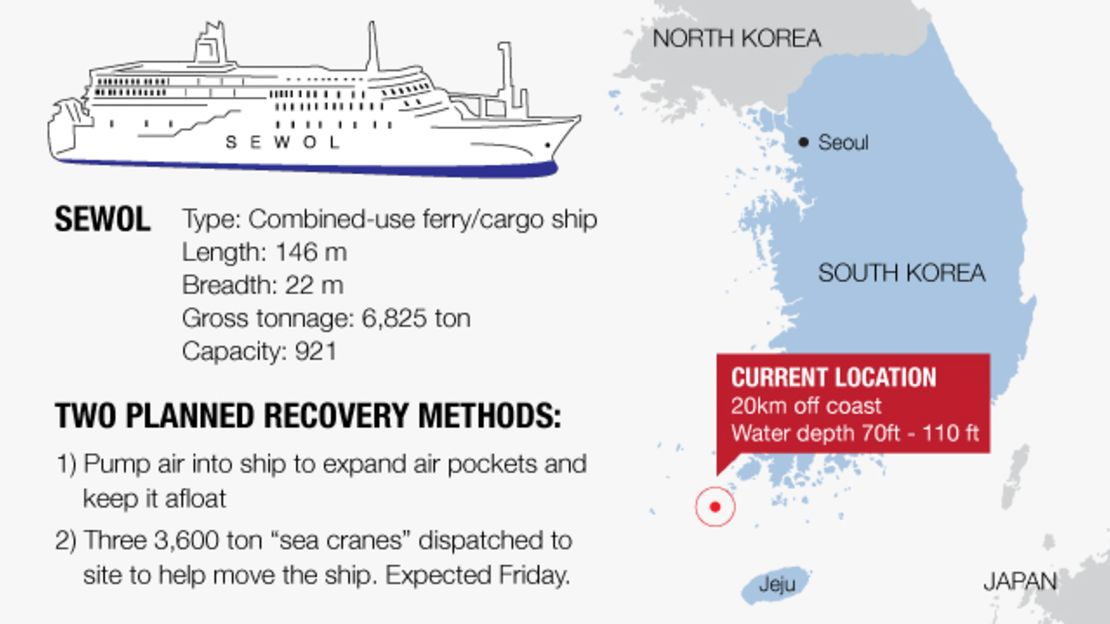
The ferry MV Sewol ferry disaster was traveling from Incheon to Jeju Island when it capsized on April 16, 2014.
Many passengers on board were high-school students on a school trip.
Location Map


4
Caption:
Location of the Sewol ferry disaster off the southwest coast of South Korea.
Investigations later determined that the vessel had been improperly modified to increase passenger capacity and was carrying unstable cargo that had not been properly secured
Memorial / Aftermath


4
Caption:
Memorials honoring victims of the Sewol ferry disaster.
The sinking killed 304 passengers and crew, including many students. The tragedy triggered widespread public outrage in South Korea and led to sweeping reforms in maritime safety oversight.
Le Joola (2002)
The Ship


4
Caption:
The Senegalese passenger ferry Le Joola, which capsized in September 2002.
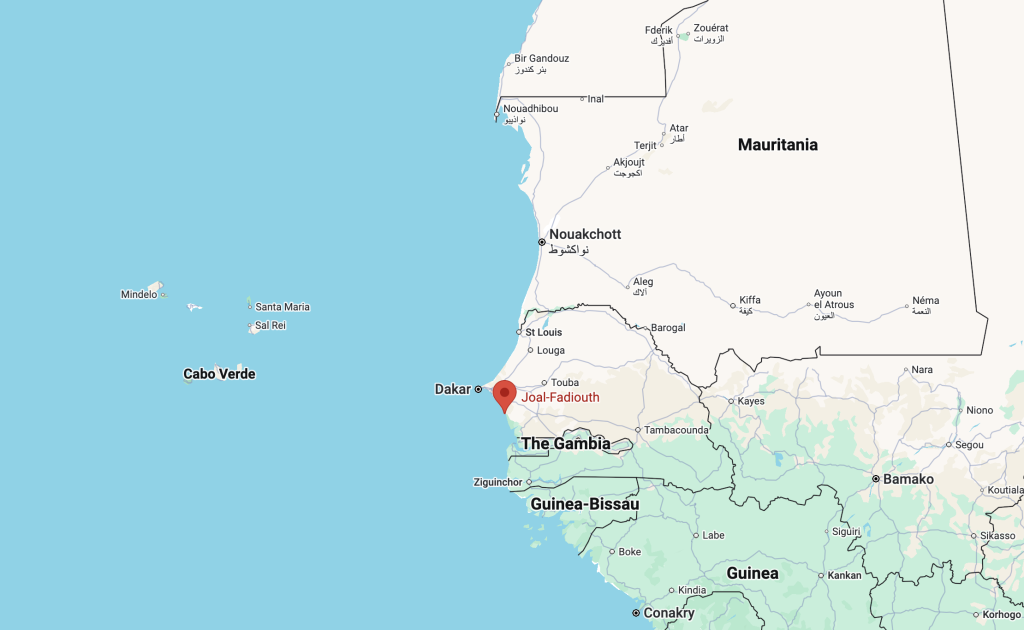
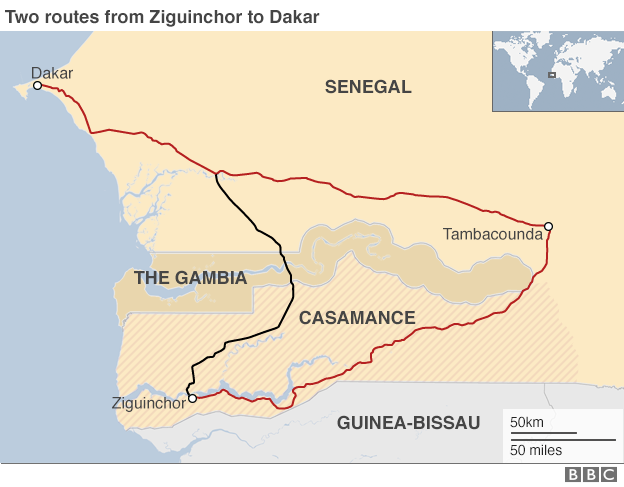
The ferry Le Joola ferry disaster capsized during a storm while traveling between Ziguinchor and Dakar.
Location Map

4
Caption:
Location of the Le Joola ferry disaster off the coast of Gambia.
The vessel was designed to carry about 550 passengers but was believed to be carrying more than 2,000 people when it encountered severe weather.
Memorial / Aftermath


4
Caption:
Memorial honoring the victims of the Le Joola disaster.
The overloaded ferry capsized rapidly in rough seas. Rescue operations were slow, and the final death toll reached about 1,863 people, making it one of the deadliest maritime disasters in African history.