
 Posted by
 Key Takeaways
- Bouchard Transportation Co. was a leading petroleum barge operator until safety issues emerged leading to significant investigations.
- A barge explosion in 2017 triggered a Coast Guard investigation revealing falsified records and unseaworthy vessels.
- The collapse of Bouchard due to legal actions and safety failures marked a critical enforcement event in the maritime industry.
- The case highlighted the importance of safety culture, maintenance record integrity, and formal safety management systems in tug and barge operations.
- Bouchard’s downfall serves as a warning that systemic safety failures can collapse even dominant companies in the industry.
Reading Time: 8 minutes. - Editor’s Note: The Bouchard investigation was of huge significance both in terms of policy and law. The Coast Guard Marine Board of Investigation by tradition once limited its investigation to the ship involved in a collision. If other ships in an owners fleet were in poor shape, that was considered beyond the scope of the Marine Board. This board pushed the investigation to other vessels. Bouchard sued to limit board scope — and lost. This and other policies and legal decisions allowed the board to take sweeping action against a company that seemed made unsafe conditions policy.

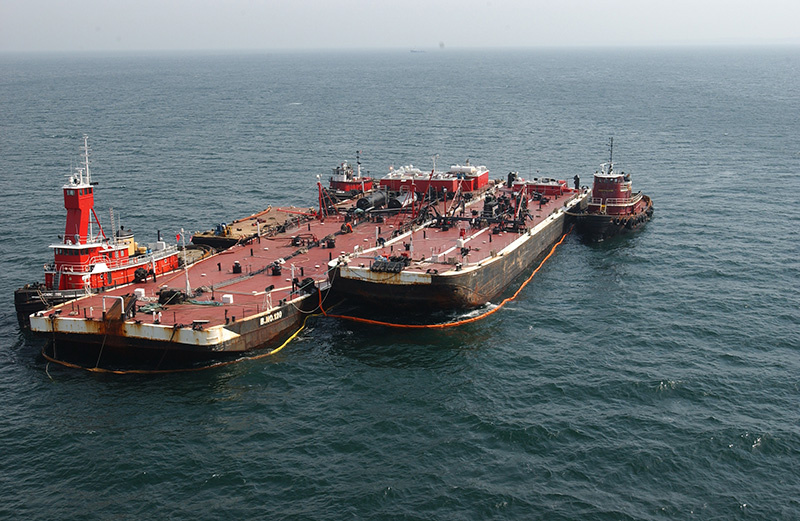
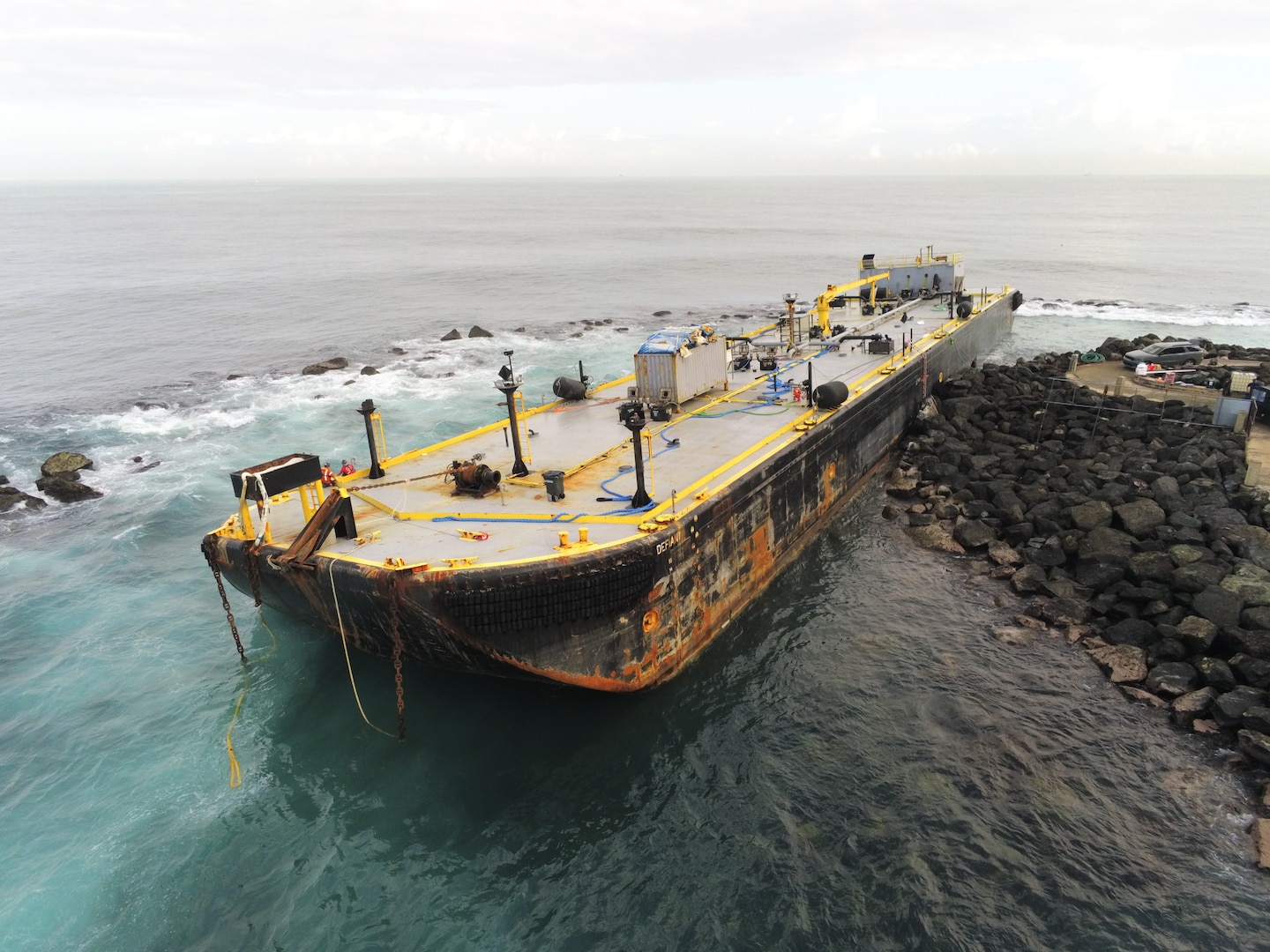
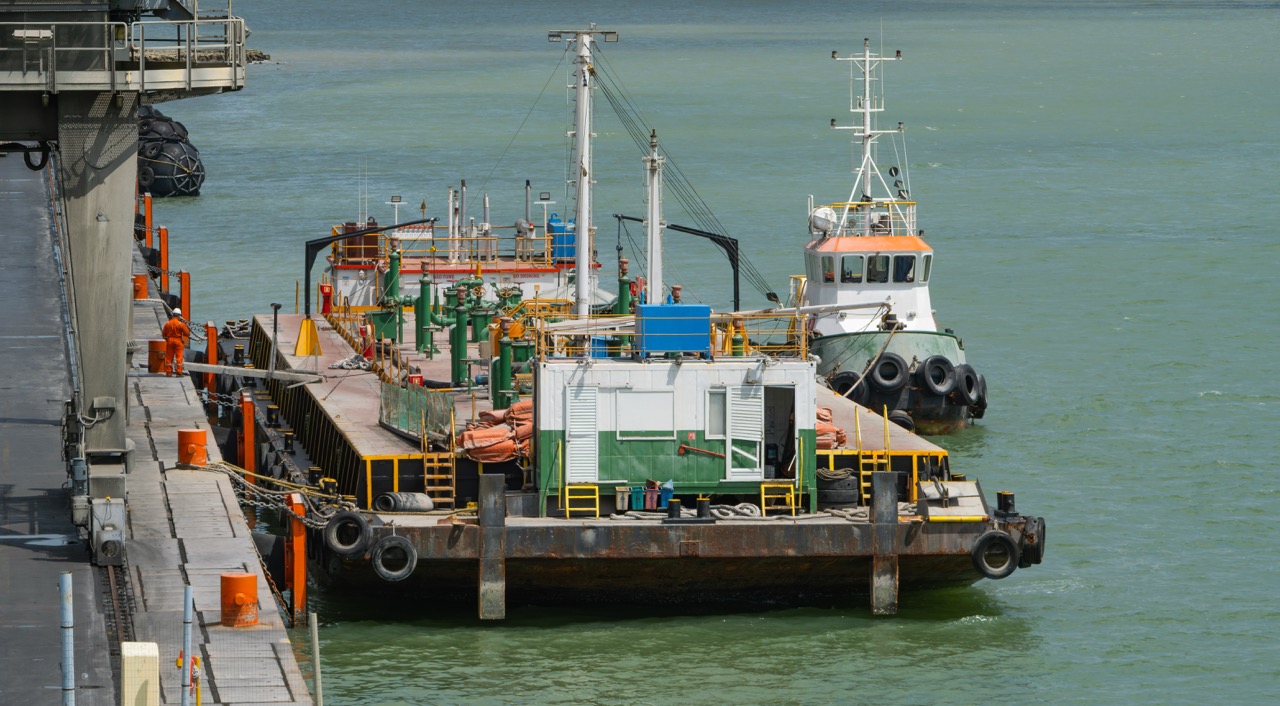
For decades, Bouchard Transportation Co. was one of the most prominent petroleum barge operators on the U.S. East Coast. Its tug-and-barge fleet hauled millions of barrels of oil products annually from refineries in New York, New Jersey, and the Gulf Coast to terminals along the Atlantic seaboard.
But by 2017–2020, the company’s reputation unraveled in a series of U.S. Coast Guard investigations and federal court cases that revealed deep systemic safety problems inside the operation.
The collapse of Bouchard’s fleet became one of the most significant modern maritime regulatory enforcement actions in the U.S. tug-and-barge industry, raising major questions about safety culture, vessel maintenance, and Coast Guard oversight.
A Dominant Tank Barge Fleet
4
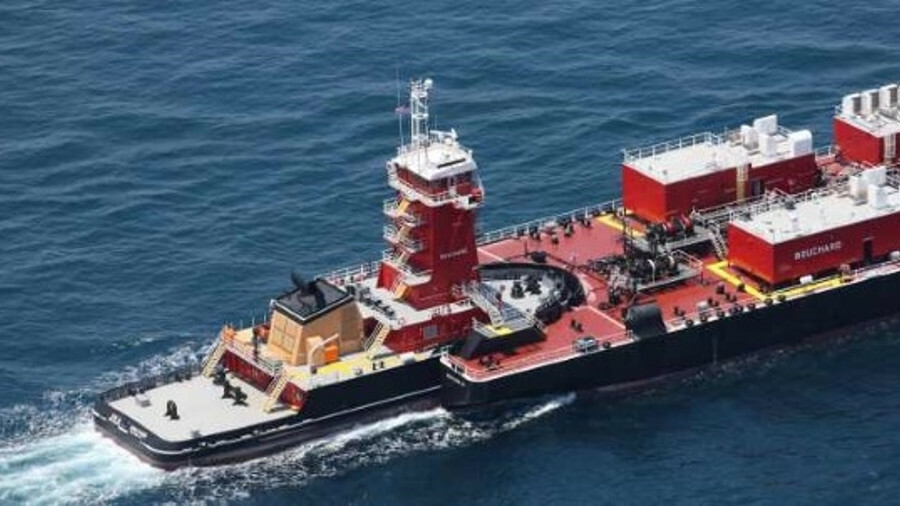
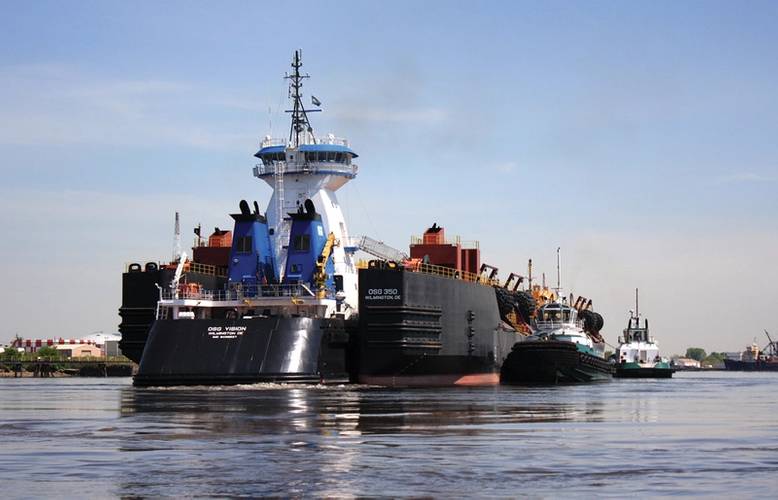
Founded in 1918 and headquartered in Melville, New York, Bouchard Transportation operated one of the largest petroleum tug-and-barge fleets in the United States.
Its vessels moved fuel oil, gasoline, and other refined petroleum products along the Atlantic coast.
Key features of the fleet included:
- Large coastal tank barges capable of carrying 80,000–140,000 barrels of petroleum
- Articulated tug-barge systems (ATBs) designed for offshore service
- A network of petroleum customers from Texas to New England
For decades the company was viewed as a major logistical player in the U.S. coastal energy trade.
But beneath the surface, regulators later alleged that maintenance and safety documentation inside the fleet had seriously deteriorated.
The Fatal Barge Explosion That Triggered Scrutiny
4
The crisis began with a catastrophic accident.
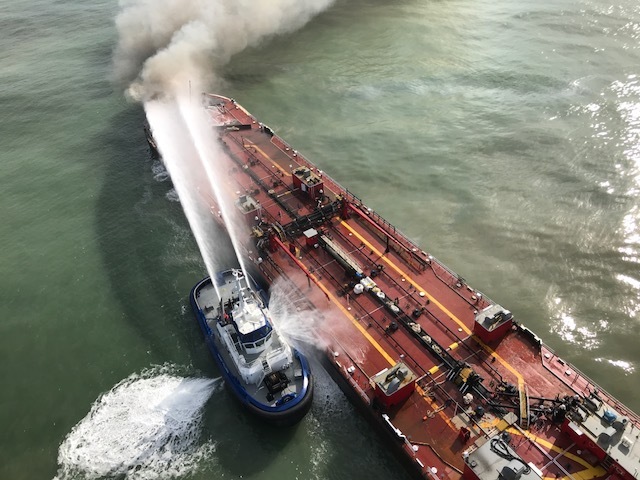
In October 2017, Bouchard Barge 255 exploded near Port Aransas, Texas while carrying crude oil.
The blast killed two crew members and seriously injured others.
Investigators later determined the explosion likely occurred during cargo operations when flammable vapors ignited in the cargo tanks.
The disaster prompted an intense U.S. Coast Guard investigation into the entire Bouchard fleet, not just the single vessel.
What investigators discovered would shake the company’s foundations.
Coast Guard Findings: Broken Safety Systems
Following the explosion, Coast Guard inspectors began reviewing Bouchard’s vessels and internal records.
According to federal enforcement filings and Coast Guard reports, investigators uncovered alarming issues:
1. Falsified maintenance records
Prosecutors alleged that vessel inspection logs and maintenance documentation were fabricated or altered, suggesting equipment checks had been completed when they had not.
2. Safety management failures
The company’s Safety Management System (SMS) — required under federal maritime regulations — was allegedly not functioning effectively.
3. Retaliation against employees
Court filings claimed some employees were discouraged or prevented from reporting safety problems.
4. Unseaworthy vessels
In multiple cases, Coast Guard inspections reportedly found barges that did not meet regulatory standards, leading to detentions.
The investigation quickly escalated beyond routine enforcement.
It became a major federal legal case.
Federal Court Cases and the Collapse of the Fleet

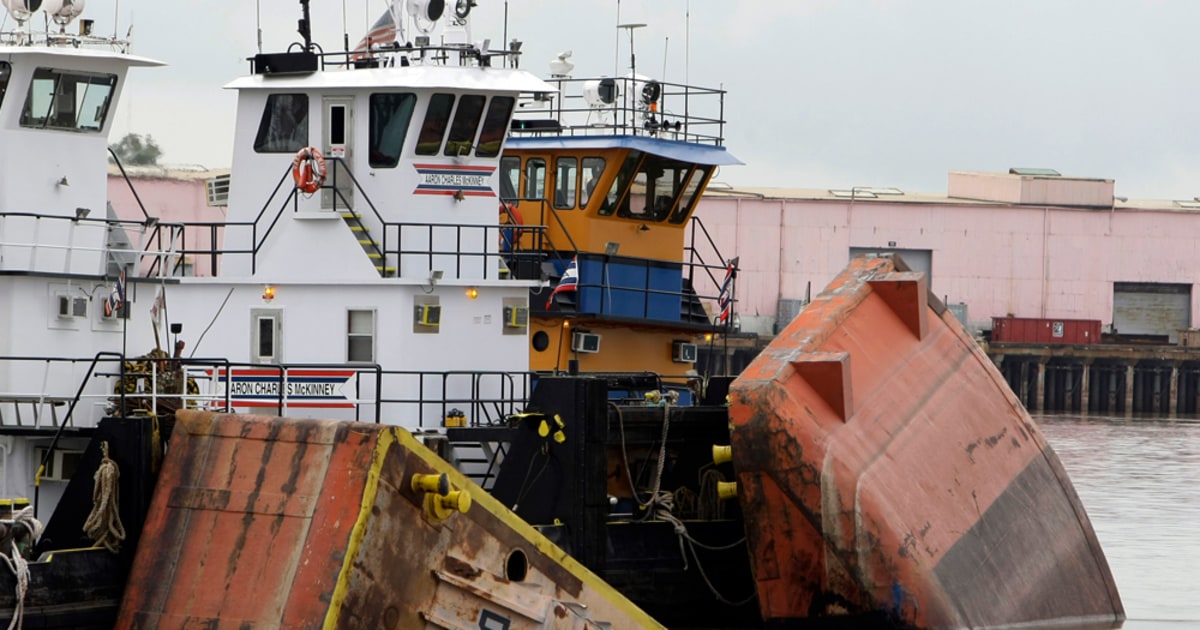
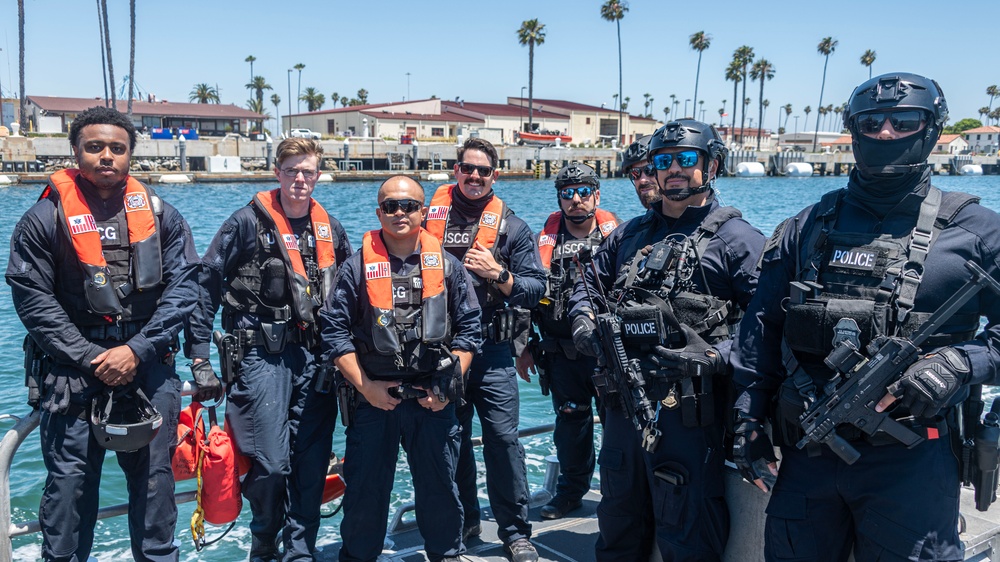
4
By 2019, the U.S. government brought civil enforcement actions against Bouchard Transportation and its leadership.
The legal cases centered on allegations that the company:
- Submitted false vessel inspection records
- Failed to properly maintain equipment
- Operated vessels that were not in regulatory compliance
During the litigation, many vessels in the Bouchard fleet were effectively sidelined because they could not pass Coast Guard inspection.
Revenue collapsed.
In 2020, the once-dominant company filed for bankruptcy protection, marking the near-total shutdown of a fleet that had operated for more than a century.
Why the Bouchard Case Matters for Maritime Safety
The Bouchard investigation became a landmark enforcement event in the U.S. tug-and-barge sector.
Its significance extends well beyond a single company.
1. Safety Culture Enforcement
The case showed regulators are increasingly focused on corporate safety culture, not just individual accidents.
Investigators looked at company management systems, documentation, and leadership accountability.
2. Integrity of Maintenance Records
Maritime safety depends heavily on documentation and inspection logs.
If records are falsified, regulators lose visibility into vessel condition.
The Bouchard case reinforced that record integrity is itself a safety issue.
3. Expansion of Safety Management Systems
The investigation highlighted the importance of formal Safety Management Systems for domestic tug and barge fleets — an area that historically received less scrutiny than deep-sea shipping.
4. Precedent for Aggressive Enforcement
The Coast Guard’s actions demonstrated that regulators are willing to pursue large-scale enforcement against an entire fleet, not just a single vessel after an accident.
A Warning for the Tug and Barge Industry
The collapse of Bouchard Transportation sent a powerful signal through the American maritime industry.
For decades, tug-and-barge operators had functioned in a regulatory environment with relatively limited public scrutiny compared to international shipping.
But the Bouchard investigation showed that:
- Systemic safety failures can bring down even large operators
- Maintenance documentation must be accurate and verifiable
- Safety culture is now a regulatory priority
In the aftermath of the case, many tug-and-barge companies quietly strengthened their internal compliance systems and vessel maintenance programs.
The message from regulators was clear:
A safety management system that exists only on paper can ultimately sink an entire fleet.
Further Reading
- U.S. Coast Guard Marine Safety Alert – Tank Barge Explosion Investigations
https://www.dco.uscg.mil - Maritime Executive – Coverage of the Bouchard Transportation collapse
https://www.maritime-executive.com - gCaptain – Reporting on Coast Guard enforcement actions
https://gcaptain.com - U.S. Department of Justice – Maritime enforcement cases
https://www.justice.gov - National Transportation Safety Board – Marine Accident Reports
https://www.ntsb.gov
Texas Tugboat Update: Bouchard Faces Possible Criminal Penalties for Defying Coast Guard Orders; Has Until Friday to Comply with Civil Orders
For 15 Years, the National Transportation Safety Board Has Warned the US Coast Guard That Preventive Maintenance Reforms Were Urgently Needed to Avoid Catastrophes Such as the Dive Ship “Conception”
Boom! Bang! Dang! With Third World Standards, One of America’s Largest Petroleum Barge Companies Has Posed an Active Safety and Pollution Threat to New York and Texas Coasts, the Coast Guard Says
Recent Maritime Tales: From the SS El Faro to the SS Poet, to Modern Day “Press Gangs” Off the Texas Coast
Text of the US Coast Guard Civil Actions Regarding the SS El Faro and Tote, Inc.
Estimated reading time: 8 minutes
Good news! Quality operations cost nothing in the long run.
Great report. Thank you for staying on top of the issues that matter. Your work has made a difference.