
 Posted by
Key Takeaways
- The Cap Arcona disaster occurred on May 3, 1945, when British aircraft mistakenly attacked ships filled with concentration camp prisoners.
- Over 7,000 prisoners boarded the Cap Arcona under brutal conditions, hoping for evacuation, but faced devastating consequences.
- The attack resulted in a massive fire, leading to approximately 5,000 prisoner deaths and only a few hundred survivors.
- Historians consider it one of the deadliest maritime tragedies of World War II, highlighting the chaos of evacuation efforts.
- Today, memorials honor the victims of the Cap Arcona disaster and serve as a reminder of the war’s horrors.
Estimated reading time: 9 minutes
During the chaotic final days of World War II, the Baltic Sea became the scene of several catastrophic maritime disasters. Among them was the destruction of the German liner Cap Arcona disaster, a tragedy that killed thousands of concentration camp prisoners just days before the war in Europe ended.
The disaster occurred on May 3, 1945, in Lübeck Bay on the Baltic coast of Germany. British aircraft attacked several German ships believed to be carrying escaping Nazi officials and military personnel. Instead, the vessels were packed with prisoners from the Neuengamme concentration camp system.
The result was one of the most horrific maritime tragedies of the war.
The Ship

4
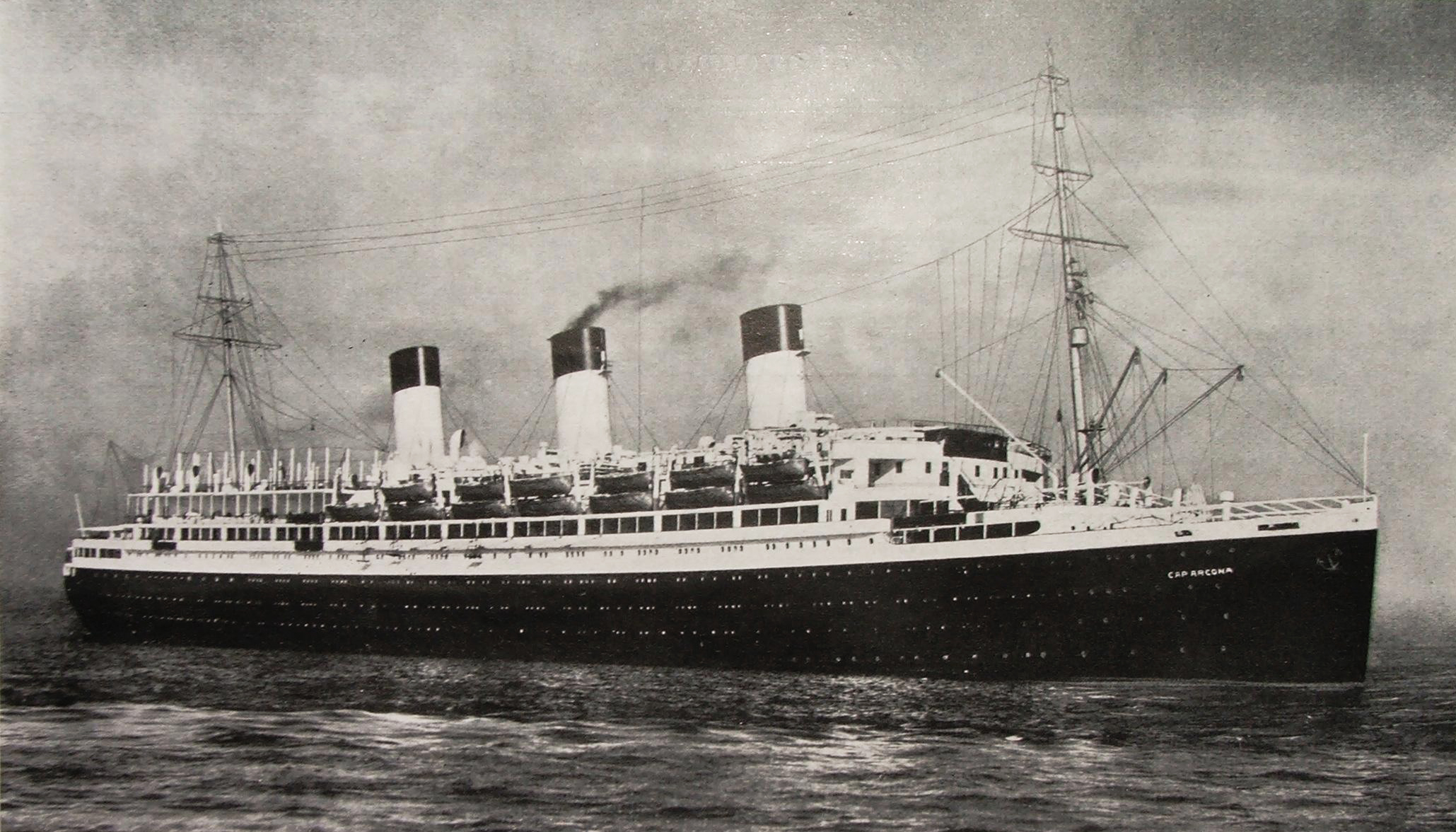
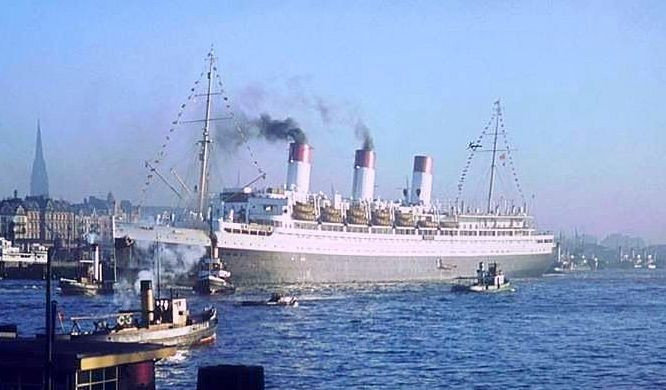
The Cap Arcona was once one of Germany’s most elegant passenger liners. Launched in 1927 for the Hamburg Süd shipping line, the vessel operated luxury voyages between Europe and South America.
At over 27,000 tons, the liner was among the largest and most prestigious ships of its time. Its elegant interiors and spacious decks made it a symbol of Germany’s interwar maritime industry.
When World War II began, the ship was withdrawn from passenger service and eventually used by the German navy in various support roles.
By 1945, however, the vessel’s fate would take a far darker turn.
Concentration Camp Prisoners Aboard

4
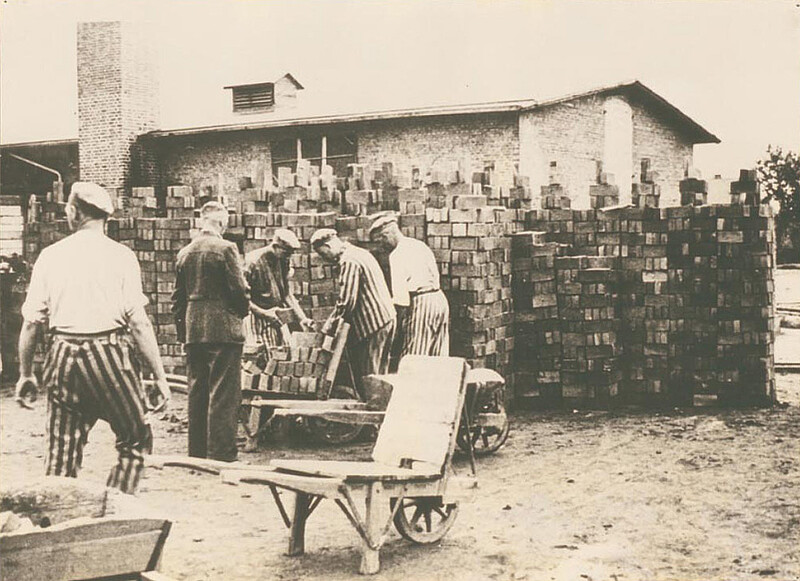
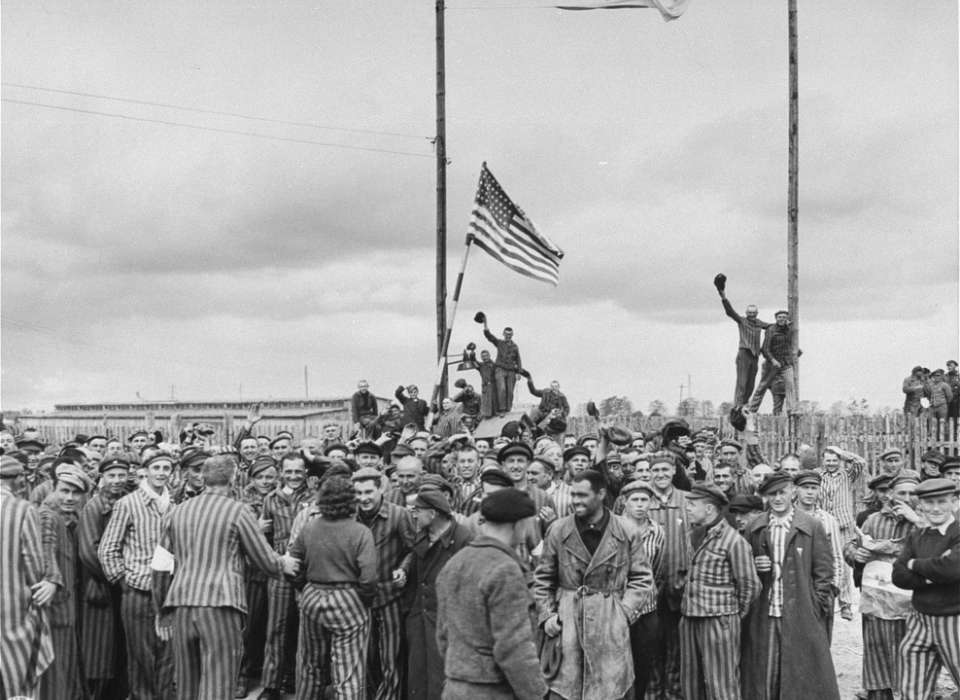
In the final weeks of the war, the SS began evacuating prisoners from concentration camps as Allied forces approached. Thousands of inmates from the Neuengamme concentration camp near Hamburg were transported to ships anchored in Lübeck Bay.
Among those vessels were the Cap Arcona and another ship, the Thielbek.
More than 7,000 prisoners were forced aboard the Cap Arcona. Many were already starving, ill, or exhausted from years of imprisonment.
Why the prisoners were placed on the ships remains debated by historians. Some evidence suggests Nazi officials intended to move them to Norway. Others believe the SS planned to scuttle the vessels to eliminate witnesses to the camps.
Regardless of the plan, the prisoners were packed into the ship under brutal conditions.
The Air Attack


4
On May 3, 1945, British Royal Air Force fighter-bombers attacked ships in Lübeck Bay. Allied intelligence believed the vessels might be transporting fleeing Nazi officials attempting to escape the collapsing Third Reich.
RAF Typhoon aircraft from the Second Tactical Air Force launched rocket and cannon attacks on the ships.
The Cap Arcona and the Thielbek were both hit.
Fires quickly spread across the vessels, and the ships began to burn fiercely.
The prisoners trapped inside had little chance of escape.
A Catastrophe at Sea

4
As flames consumed the Cap Arcona, thousands of prisoners tried desperately to escape the burning ship. Many jumped into the cold Baltic Sea in an attempt to reach shore.
Some survivors later reported that German guards fired on prisoners attempting to swim away.
When the ship finally capsized and burned out, the scale of the tragedy became clear.
Historians estimate that **
continue
A Catastrophe at Sea
4
As flames spread across the decks of the Cap Arcona, chaos erupted among the thousands of prisoners trapped inside the ship. Many had been locked below decks with little chance of escape. As the fire intensified, prisoners forced their way upward or jumped into the cold waters of Lübeck Bay in desperation.
Survivors later described scenes of panic and horror. Prisoners clung to debris or struggled to swim toward shore. Some reports suggest that German guards fired on prisoners attempting to escape the burning ship.
Within hours the Cap Arcona was engulfed in flames and eventually capsized in shallow water. Nearby vessels and coastal units managed to rescue a small number of survivors, but the scale of the disaster was immense.
Historians estimate that about 5,000 prisoners died in the sinking of the Cap Arcona and the destruction of nearby ships such as the Thielbek. Only a few hundred prisoners survived the catastrophe.
A Tragedy Just Days Before the War’s End
The tragedy occurred only five days before Germany surrendered in World War II. Allied forces were already advancing across northern Germany, and the war in Europe was rapidly drawing to a close.
For the thousands of prisoners aboard the ships in Lübeck Bay, however, liberation came too late.
The disaster remains one of the largest maritime tragedies involving concentration camp prisoners during the war.
Why the Attack Happened
The attack on the Cap Arcona was the result of a tragic misunderstanding.
Allied pilots had been informed that German ships in Lübeck Bay might be carrying Nazi leaders attempting to escape to Norway. From the air, the vessels appeared to be standard transports or evacuation ships.
The presence of thousands of concentration camp prisoners aboard the vessels was unknown to the attacking pilots.
After the war, historians and investigators examined the incident and concluded that the attack had been based on incomplete intelligence rather than deliberate targeting of prisoners.
One of the Deadliest Maritime Disasters of World War II
The sinking of the Cap Arcona ranks among the worst maritime disasters of the war.
Other major tragedies of the Baltic Sea in 1945 include:
- Sinking of the Wilhelm Gustloff — about 9,000 deaths
- Sinking of the Goya — about 6,000–7,000 deaths
Together these disasters form a grim trilogy of shipwrecks during the final months of World War II. All three occurred during the massive refugee movements and military evacuations that swept the Baltic region as Nazi Germany collapsed.
Each tragedy illustrates how the chaos of war can magnify the dangers of the sea.
Remembering the Victims
Today, memorials along the Baltic coast commemorate the thousands of victims of the Cap Arcona disaster. Many of the prisoners who died aboard the ship were never formally identified.
The wreck of the Cap Arcona itself was later partially salvaged and eventually broken up after the war, but the tragedy remains deeply embedded in the historical memory of the region.
For historians of maritime disasters, the story of the Cap Arcona stands as a powerful reminder that some of the worst shipwrecks in history occurred not because of storms or navigation errors, but because of the devastating circumstances of war.
Suggested External Sources
For readers interested in learning more:
Britannica overview of the Cap Arcona tragedy
https://www.britannica.com/topic/Cap-Arcona
United States Holocaust Memorial Museum background on Neuengamme prisoners
https://encyclopedia.ushmm.org/content/en/article/neuengamme
Deutsche Welle historical account of the Cap Arcona disaster
https://www.dw.com/en/cap-arcona-the-tragedy-in-lubeck-bay/a-43703866
Wikipedia article on the Cap Arcona disaster
https://en.wikipedia.org/wiki/Cap_Arcona_disaster
German Baltic Sea history archive
https://www.luebeck-tourism.de/discover/history/cap-arcona