
 Posted by
 Going beyond the most traditional and accepted Titanic explanations, here are the most debated and controversial theories about the Titanic sinking. Some are taken seriously by historians and engineers; others are mostly speculative but still widely discussed.
Key Takeaways
- The article discusses various debated theories about the Titanic sinking, including the Olympic Swap Insurance Fraud Theory and the Coal Bunker Fire Theory.
- The Olympic Swap theory suggests that the damaged RMS Olympic was swapped with Titanic, but historians have largely debunked it due to evidence like matching serial numbers.
- The Coal Bunker Fire theory posits that a coal fire weakened the hull, though modern experts believe it did not cause the sinking but may have worsened damage.
- Several theories examine navigation errors and structural failures, including misunderstandings of steering commands and rudder size issues.
- Ultimately, the sinking is viewed as a system failure involving multiple factors, all influencing maritime safety regulations.
Estimated reading time: 8 minutes
Table of contents
- 9. The “Olympic Swap” Insurance Fraud Theory
- 10. The Coal Bunker Fire Theory
- 11. The “Turned the Wrong Way” Navigation Theory
- 12. The “Mirage Iceberg” Theory (Atmospheric Refraction)
- 13. The Rudder Was Too Small
- 14. A Head-On Collision Might Have Saved the Ship
- 15. The Lifeboat Capacity Controversy
- Final Perspective (Modern Maritime View)
9. The “Olympic Swap” Insurance Fraud Theory

4
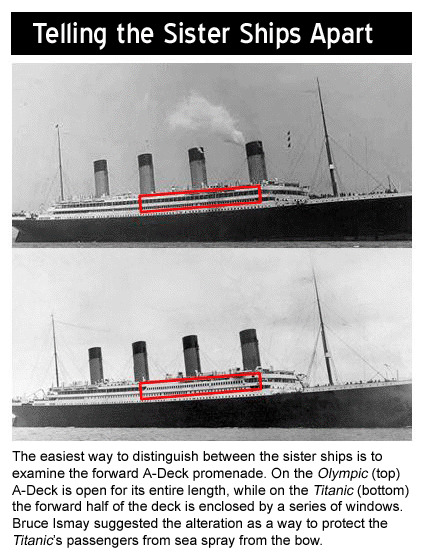
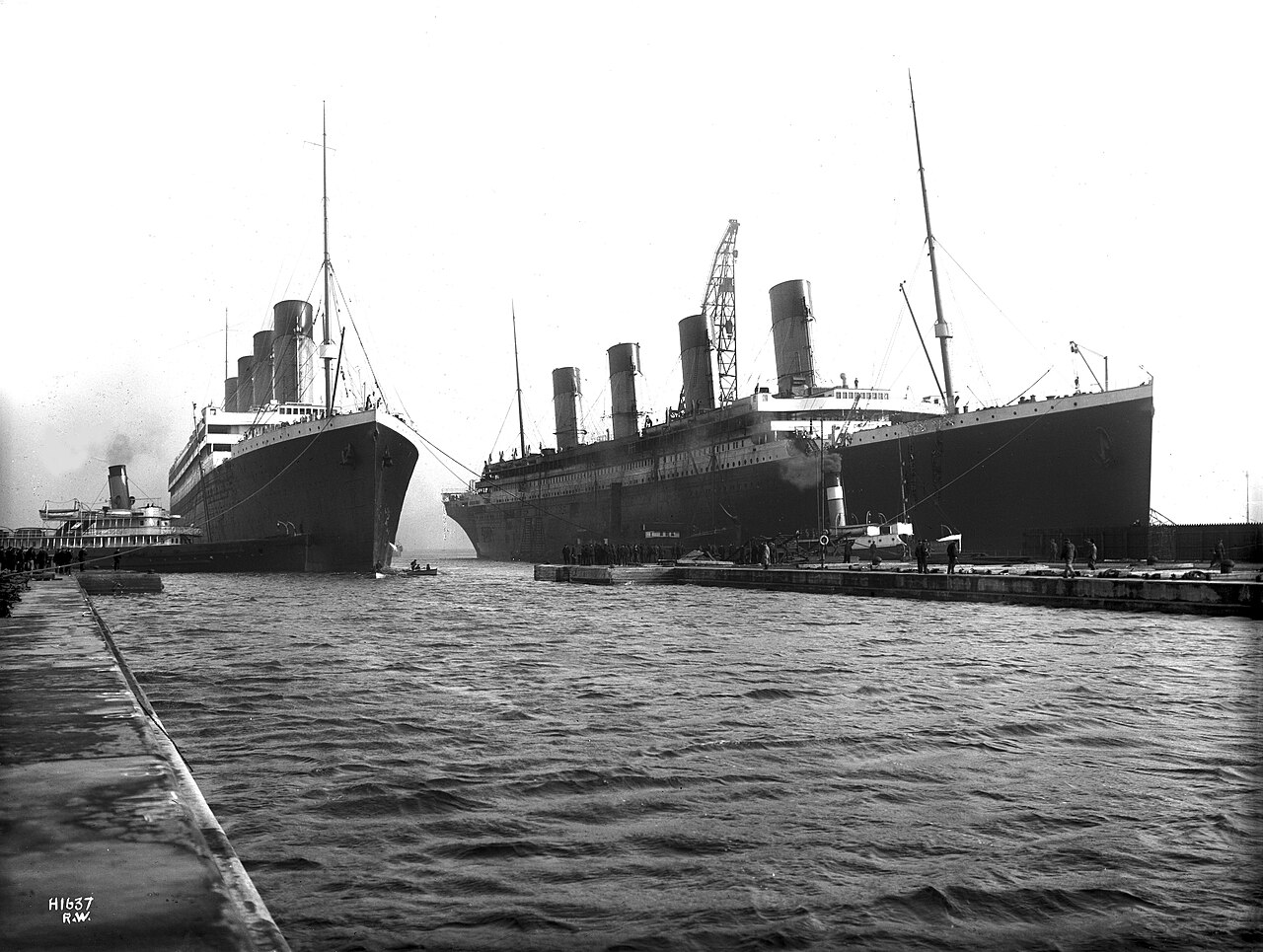
This theory claims the ship that sank was not actually Titanic, but her damaged sister ship Olympic.
Background
The RMS Titanic had a nearly identical sister ship, RMS Olympic.
Olympic had been badly damaged in a 1911 collision with the British cruiser HMS Hawke.
Conspiracy claim
Advocates argue that:
- Olympic was secretly swapped with Titanic.
- The damaged Olympic was deliberately sunk.
- Insurance money would compensate White Star Line.
Problems with the theory
Historians reject it for several reasons:
- The wreck’s serial numbers match Titanic components.
- Thousands of workers would have had to keep the secret.
- Insurance payouts were less than the ship’s value.
Most maritime historians consider this theory effectively debunked.
10. The Coal Bunker Fire Theory


4
This is one of the most plausible secondary-factor theories.
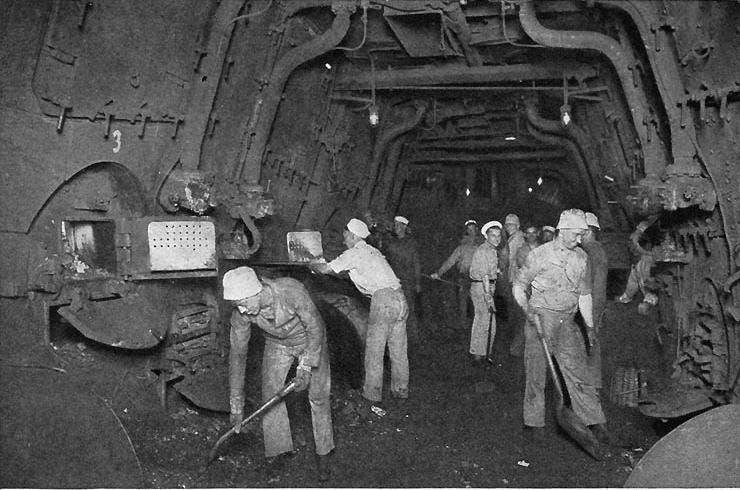
Evidence suggests a coal fire had been burning in a bunker before the voyage.
What supporters say
A fire could have:
- heated hull steel to ~1,000°F
- weakened a section of the hull
- caused metal fatigue
When the iceberg struck, that section may have failed faster.
Modern evaluation
Most experts think:
- The fire did exist (coal fires were common)
- But it likely did not cause the sinking
Instead, it may have slightly worsened the damage.
11. The “Turned the Wrong Way” Navigation Theory


4
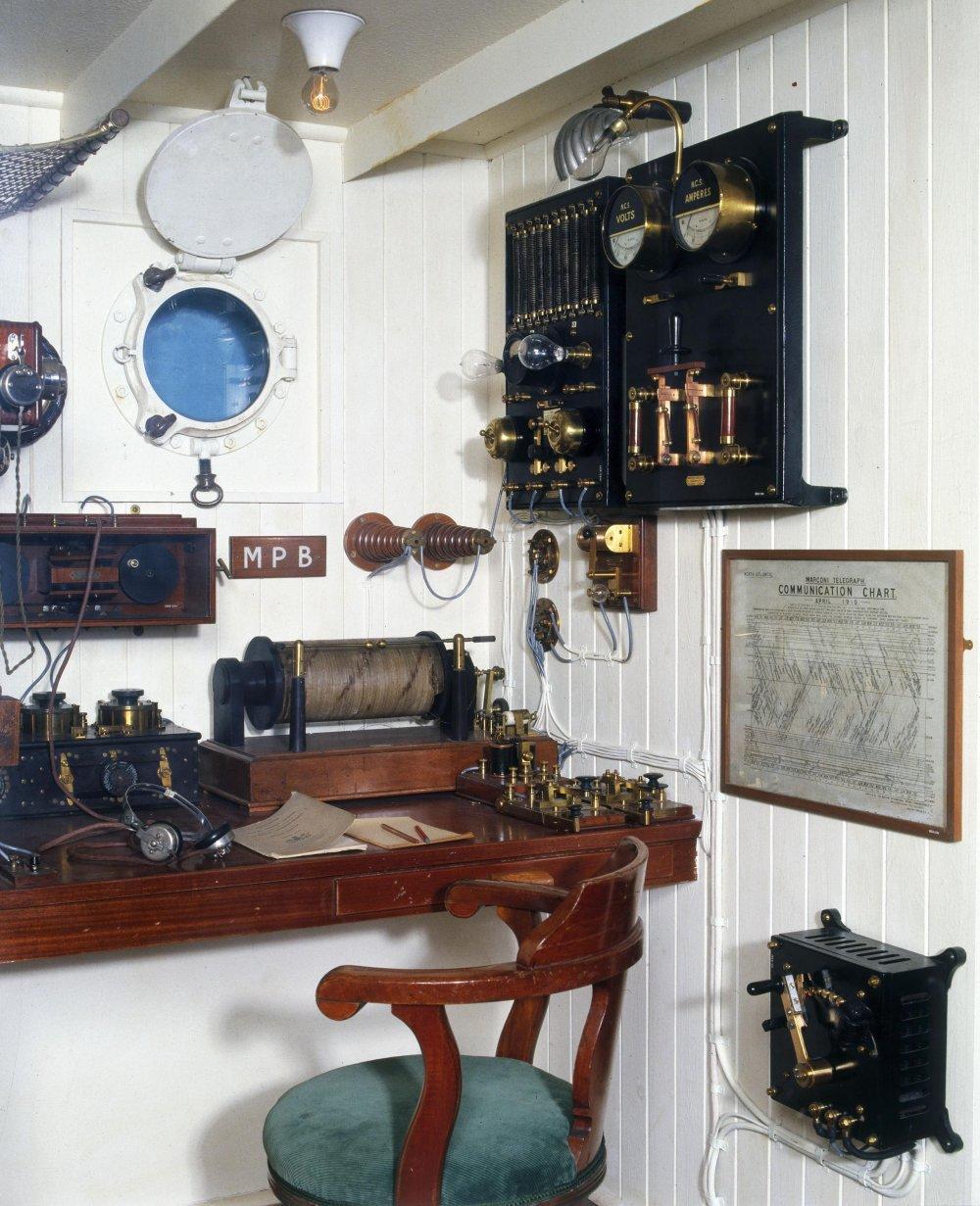
A long-running theory suggests confusion between two steering commands.
At the time, ships used tiller orders, which were opposite to modern rudder commands.
Example:
- “Hard-a-starboard” meant turn left, not right.
Some researchers think a momentary misunderstanding delayed the turn.
Evidence
However, testimony from the helmsman indicates he executed the order correctly.
Most historians think the iceberg was simply spotted too late.
12. The “Mirage Iceberg” Theory (Atmospheric Refraction)


4
This is a serious scientific theory studied by meteorologists.
Researchers believe unusual atmospheric conditions caused a superior mirage.
This optical effect may have:
- hidden the iceberg until the last moment
- distorted the horizon
- prevented other ships from seeing Titanic’s distress rockets clearly
The phenomenon is called a Fata Morgana mirage.
Under these conditions:
- objects appear higher or distorted
- horizons become blurred
This could explain why lookouts spotted the iceberg very late.
13. The Rudder Was Too Small


4
Some naval architects argue Titanic’s rudder was too small for the ship’s size.
The Olympic-class ships were extremely large for their time.
Engineering argument
A larger rudder might have:
- increased turning ability
- allowed the ship to avoid the iceberg
However, analysis suggests that even a larger rudder might not have provided enough time to avoid the collision.
14. A Head-On Collision Might Have Saved the Ship
One of the most interesting engineering conclusions:
If Titanic had rammed the iceberg head-on, the damage may have been limited.
Likely outcome:
- Bow compartments crushed
- Only 2–3 compartments flooded
- Ship probably stays afloat
Instead, the glancing scrape opened six compartments along the side.
This scenario is widely discussed in naval architecture studies.
15. The Lifeboat Capacity Controversy


4
Titanic carried 20 lifeboats, enough for about 1,178 people.
But there were 2,224 aboard.
Why so few?
Because maritime regulations at the time were based on ship tonnage, not passenger capacity.
The disaster led directly to the 1914 international safety treaty:
International Convention for the Safety of Life at Sea (SOLAS)
This required:
- lifeboats for everyone
- continuous radio watch
- iceberg patrols in the North Atlantic
Final Perspective (Modern Maritime View)
The sinking of Titanic is now seen as a system failure, not one single mistake.
Key causes included:
- Iceberg collision
- Rivet and hull seam failure
- Compartment flooding design limits
- High speed in an ice field
- Insufficient lifeboats
- Late iceberg detection
The disaster transformed maritime safety law and remains one of the most studied accidents in transportation history.