
 Posted by
 Why the Titanic Was Not the Deadliest Shipwreck
And the overlooked disasters that were far worse
Key Takeaways:
- The RMS Titanic sinking is not the deadliest shipwreck; several maritime disasters caused greater loss of life.Major tragedies include the sinking of the Wilhelm Gustloff with about 9,000 deaths and the Goya with 6,000–7,000 deaths.Various factors like media coverage and the ship’s social class connections explain Titanic’s cultural prominence.Despite not being the deadliest disaster, the Titanic sinking led to significant reforms in maritime safety regulation, including SOLAS.Understanding these disasters helps contextualize Titanic’s tragedy within a larger history of maritime risks.
Estimated reading time: 6 minutes
More than a century after it sank, the RMS Titanic sinking remains the most famous shipwreck in history. Books, films, documentaries, and museum exhibitions have made the story of the great liner part of global culture. Yet one surprising historical fact is often overlooked:
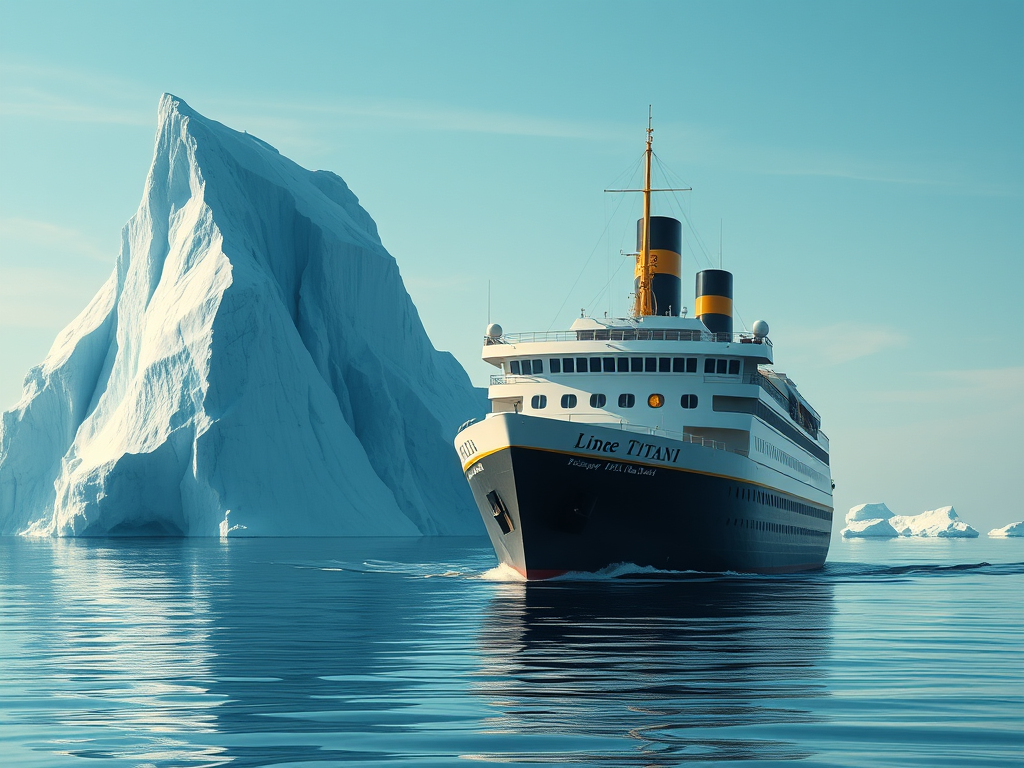
Titanic was not the deadliest maritime disaster.
In fact, several shipwrecks caused far greater loss of life, some killing several thousand more people than the Titanic. Understanding these lesser-known tragedies reveals a broader story about maritime safety, wartime chaos, and the evolution of passenger ship regulation.
At the same time, Titanic’s historical significance stands tall as a source of safety reforms and improvements. It remains easily one of the most significant ship wrecks of all time.
Why the Titanic Was Not the Deadliest Shipwreck
And the overlooked disasters that history often forgets
More than a century after it sank, the RMS Titanic sinking remains the most famous maritime disaster in history. The loss of the luxurious ocean liner in April 1912 captured global attention in a way few tragedies ever have. Newspapers around the world reported the story for weeks. The ship’s size, wealth, and supposed “unsinkable” reputation created a powerful narrative that has endured ever since.
Yet an important historical fact is often overlooked:
Titanic was not the deadliest shipwreck.
In fact, several maritime disasters resulted in far greater loss of life, sometimes by several thousand people. These tragedies are far less widely known today, largely because many occurred during wartime, in remote regions, or outside the media spotlight of the early twentieth century.
Understanding these overlooked disasters helps place the Titanic in its proper historical context—both as a tragedy and as a turning point in maritime safety.
Titanic’s Death Toll in Context
When Titanic struck an iceberg in the North Atlantic on April 14, 1912, more than 2,200 passengers and crew were on board. Roughly 1,500 people died, making it one of the worst maritime disasters of its time.
But the disaster was far from the deadliest shipwreck ever recorded. Several tragedies before and after Titanic claimed even larger numbers of lives.
Among the most devastating were wartime evacuations and overloaded passenger ships.
Shipwrecks Deadlier Than Titanic
Sinking of the Wilhelm Gustloff
Estimated deaths: about 9,000
The German liner Wilhelm Gustloff was torpedoed by a Soviet submarine in the Baltic Sea in January 1945 while evacuating refugees and military personnel fleeing the advancing Red Army.
The ship was packed with civilians, wounded soldiers, and naval personnel. When the submarine attack struck, freezing winter waters and chaotic evacuation conditions caused catastrophic loss of life.
The sinking remains the deadliest maritime disaster in history, yet it is largely unknown outside maritime and World War II history circles.
Sinking of the Goya
Estimated deaths: 6,000–7,000
Only a few months after the Wilhelm Gustloff disaster, another refugee ship was lost in the Baltic Sea. The German transport Goya was torpedoed by a Soviet submarine while carrying thousands of refugees and soldiers.
The ship sank within minutes, leaving little chance for escape.
Cap Arcona disaster
Estimated deaths: about 5,000
The liner Cap Arcona was destroyed during an RAF air attack near the end of World War II in May 1945. The ship was carrying thousands of concentration camp prisoners who had been placed aboard by Nazi authorities.
Many of the prisoners were killed in the attack or drowned after the ship burned and sank.
MV Doña Paz disaster
Estimated deaths: over 4,000
The Philippine ferry Doña Paz collided with the tanker Vector in December 1987. The tanker’s cargo ignited, creating a massive fire that engulfed both ships.
Because the ferry was severely overcrowded and many passengers were not listed on official manifests, the death toll reached more than 4,000—making it the deadliest peacetime maritime disaster in history.
Other Overlooked Shipwrecks
Several other disasters also caused death tolls comparable to or exceeding Titanic’s.
SS Kiangya explosion
A Chinese passenger vessel struck a mine near Shanghai shortly after World War II, killing roughly 2,700 people.
Le Joola ferry disaster
The overloaded ferry capsized during a storm off West Africa, causing about 1,863 deaths.
SS Sultana disaster
A boiler explosion destroyed the river steamer Sultana, killing roughly 1,800 people, many of them Union soldiers returning from Civil War prison camps.
These tragedies show that the sea has witnessed many disasters that rival or exceed Titanic’s loss of life.
Why Titanic Became the Most Famous Shipwreck
If Titanic was not the deadliest maritime disaster, why does it dominate public memory?
Several factors explain its enduring prominence.
1. The Ship Itself
Titanic was the largest passenger liner in the world at the time of its maiden voyage. Built by the White Star Line as a symbol of modern engineering and luxury travel, the ship represented the height of Edwardian technological optimism.
The dramatic claim that the ship was “unsinkable” amplified the shock when it was lost on its first voyage.
2. Passengers and Social Class
The ship carried wealthy industrialists, prominent social figures, immigrants seeking new lives in America, and crew members from many nations.
The loss of well-known passengers—combined with vivid survivor accounts—captured global attention.
3. Media Coverage
The disaster occurred during a period when international news reporting had expanded dramatically. Telegraph communication allowed newspapers around the world to report the story almost immediately.
This intense coverage helped transform the sinking into a defining historical event.
Titanic’s Lasting Impact on Maritime Safety
Although it was not the deadliest maritime disaster, Titanic had an enormous influence on maritime safety reform.
The tragedy exposed serious weaknesses in passenger ship regulation.
Key problems included:
• insufficient lifeboats
• poor emergency evacuation procedures
• lack of continuous radio monitoring
• inadequate iceberg warnings
In response, governments and maritime organizations introduced sweeping reforms.
The most important result was the International Convention for the Safety of Life at Sea (SOLAS), first adopted in 1914. SOLAS established international rules for:
• lifeboat requirements
• emergency drills
• continuous radio watch
• improved ship construction standards
Many of these safety rules remain foundational in modern maritime regulation.
Titanic in the Larger History of Maritime Disaster
Titanic’s loss was tragic and historically significant, but it represents only one chapter in a much larger story of maritime risk.
Other disasters—particularly wartime evacuations and overcrowded ferries—have claimed far more lives. Yet many of these tragedies remain little known outside maritime history.
Understanding these events reminds us that maritime safety improvements have often been written in tragedy. Each disaster, from Titanic to the Baltic Sea evacuations of 1945 and modern ferry sinkings, has contributed lessons that shape the safety of ships today.
Suggested External Sources
For readers seeking deeper historical information:
Britannica overview of major shipwrecks
https://www.britannica.com/list/7-of-the-worlds-deadliest-shipwrecks
International Maritime Organization history of SOLAS
https://www.imo.org/en/knowledgecentre/conferencesmeetings/pages/solas.aspx
U.S. National Oceanic and Atmospheric Administration history of Titanic
https://www.noaa.gov/office-of-general-counsel/gc-international-section/rms-titanic-history-and-significance